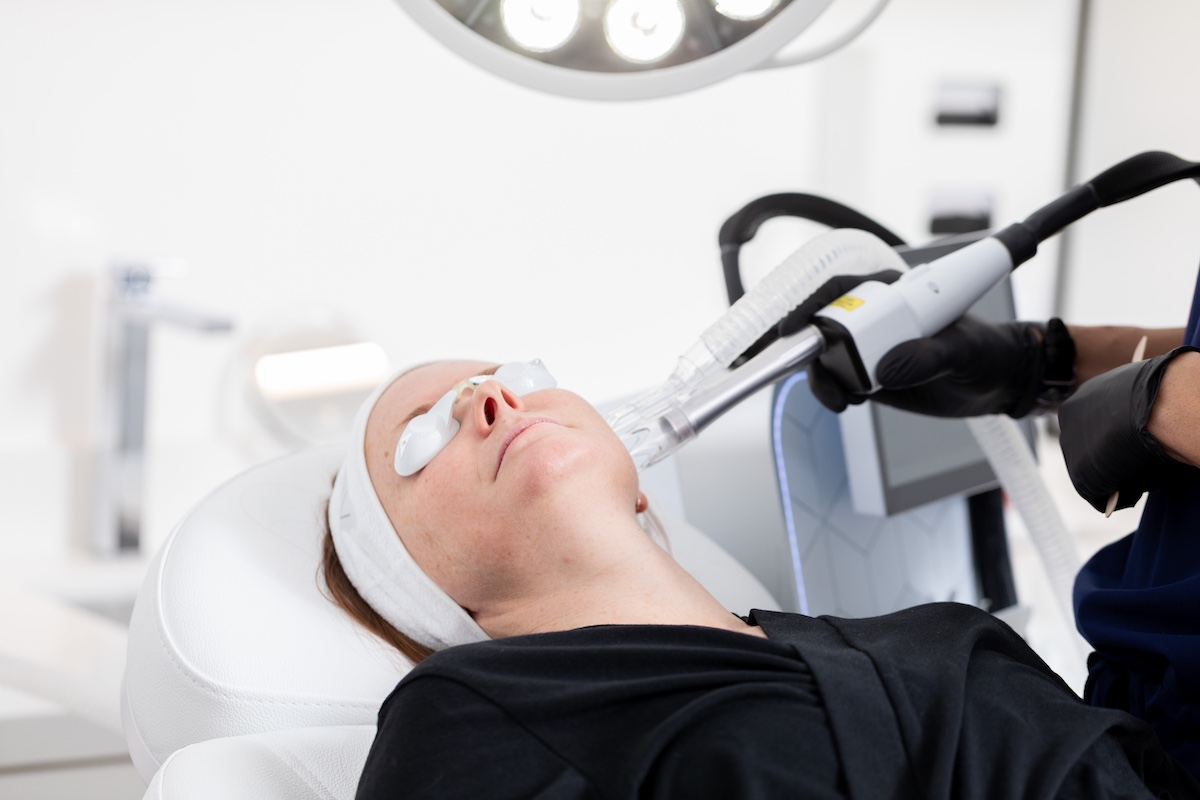



Ten years ago, a twenty-six-year-old walking into a med spa for a laser treatment or a skin booster would have been the exception. Now she’s closer to the norm. Ask any provider who’s been doing this a while and they’ll tell you the same thing: the average age of a first-time patient has been dropping for years, and it isn’t slowing down. There’s a name for this shift. Providers call it prejuvenation, treating skin before visible aging shows up rather than after. It sounds like marketing language, but the behavior behind it is real, and it says something bigger about how an entire generation thinks about aging.
Prejuvenation – why the shift happened
A few things converged at once. Skincare education went mainstream on social media years ago, and an entire generation grew up watching dermatologists explain retinol, SPF, and barrier repair in fifteen-second videos. By the time many of them could afford their first facial, they already understood the basics better than their parents did at twice their age. At the same time, treatments themselves changed. A decade ago, most in-office options meant real downtime, real discomfort, or a price tag that only made sense once damage had already accumulated. Today there’s a wider range of options built for maintenance rather than correction, things like gentler lasers and skin boosters that fit into a lunch break instead of a recovery week. When the barrier to entry drops, people start earlier. There’s a cultural piece too. Millennials watched an older generation deal with dramatic, sudden intervention later in life, and a lot of them decided they’d rather do less, more consistently, starting sooner. Prevention has quietly become more appealing than correction.
What prejuvenation actually looks like
It rarely means aggressive treatment. Most providers describe it as light, frequent maintenance: a skin booster every few months, a laser treatment on a seasonal cadence, consistent use of retinoids and SPF at home. The goal isn’t so much to look different as it is to slow down visible change, so there’s simply less to correct later. It’s a mindset shift as much as a treatment plan. Instead of treating skin like something you fix once it breaks, a twenty-five-year-old walking into a med spa today is more likely to treat it the way she treats her workouts, something she shows up for consistently, long before there’s a problem to solve.
What this means for the industry
For providers, it means rethinking who the average patient actually is. For brands and treatment developers, it means designing around comfort, speed, and cadence, not just outcomes for older patients dealing with more advanced signs of aging. The audience walking through the door has changed, and the treatment menu is starting to catch up. Whether or not you’re in your twenties, the underlying idea holds up. Skin, like most things worth taking care of, responds better to consistency than to crisis management.